Choosing publication support shapes a researcher’s academic record for years ahead. Pick wrong and you waste money, time, and research effort. Institutions scrutinize published work during assessment. Researchers need more than flashy websites or big promises. You need evidence that a provider actually understands scholarly publishing and uses credible practices.
Many different support providers operate in academic publishing. Some offer real editorial and submission guidance. Others make claims nobody can verify independently. Verified customer feedback matters more now. Before you pay for publication support, dig into detailed reviews. Reviews show experiences that marketing pages skip over.
Why Researchers Need Publication Support Services and What They Expect
Journal publishing isn’t simple for researchers. Manuscripts hit strict submission requirements before editors look at them. Every journal has different formatting rules, reference styles, word counts, ethics guidelines. You prepare figures, tables, declarations, supporting documents. One small error in submission can delay everything or trigger automatic rejection.
Picking the right journal is its own puzzle. Your journal needs to match your subject, methodology, audience, research contribution. Indexing matters. Editorial standards matter. Publication timelines and article processing charges matter.
Doctoral students and academics face time pressure. Publication requirements connect to promotion, graduation, funding, career advancement. International researchers hit language and formatting barriers too.
A credible journal publication service offers practical support, not guaranteed outcomes. It identifies suitable PhD Journal Publication reviews, checks manuscript requirements, improves presentation, explains submission procedures. It might help you understand reviewer comments and prepare responses. You keep control of academic content, authorship, research integrity, publication decisions.
Predatory Journal vs Legitimate Journal — Why This Distinction Matters
You need to understand predatory journal vs legitimate journal ones before evaluating publication support. Legitimate scholarly journals share information about editorial structure and journal publication service. They explain peer review process and name responsible editors. Check the publishing history and indexing status yourself.
Credible indexing is another verification tool. Scopus and Web of Science have searchable information about covered sources. Scopus lists sources and provides profiles for journals. Web of Science journal reviews offers the freely accessible Master Journal List. Clarivate calls this list the authoritative source for Web of Science coverage.
Predatory journals create serious academic risks. Rapid publication with weak or missing peer review. Misleading editorial information. Unclear indexing claims. A publication service that steers researchers toward those outlets causes real problems.
Examine the proposed journal yourself. Check ISSN, publisher, editorial board, peer review policy, publication history, indexing status. Compare journals independently. Check Scopus Journal Services reviews before deciding.
What Verified Reviews Reveal About Research Publication Services
Detailed reviews show how a publication provider operates once you hand over money. Positive feedback tends to focus on concrete outcomes, not just general satisfaction. Researchers describe getting published in recognized journals.
Journal selection comes up a lot too. Researchers explain whether the provider picked a journal that fit their eazy research reviews. Did it match their discipline and institutional needs. Strong reviews describe how the provider dealt with reviewer comments. You get a sense of whether you’re getting real academic guidance or just placement help.
Negative reviews show different issues. Some researchers found out a recommended journal had sketchy indexing claims. Others hit communication walls after paying. Deadlines become brutal when you’re facing university or funding cutoffs.
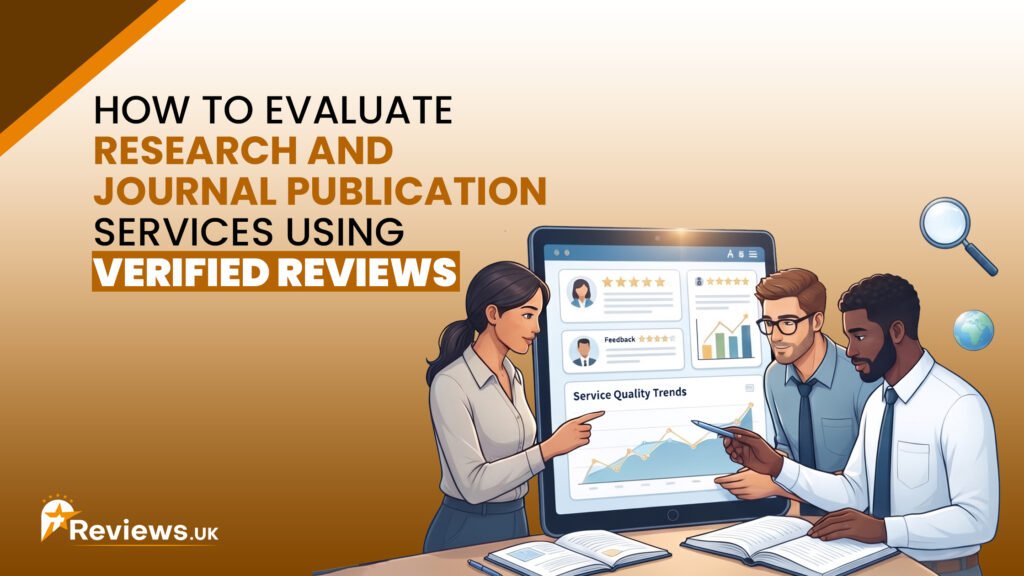
Reading publication service reviews means paying attention. One positive or negative comment doesn’t prove much. Look for patterns across multiple independent reviews. Compare what customers experienced with what the provider actually promises.
How to Evaluate a Research Publication Service Using Customer Reviews
The first step for when you’re wanting to know “how to choose a research publication service “is to start by checking how detailed the reviews actually are. Specific reviews beat generic praise every time. Search for actual journal names and recognized databases. Scopus, Web of Science, PubMed mentions give you verification points to check independently.
Look at what reviewers say about peer review next. Real publication means editorial assessment and peer review where it applies. A review describing reviewer comments, manuscript changes, and editorial decisions tells you something. Claims about instant acceptance warrant skepticism.
Timeline stuff matters too. Compare what the reviewer experienced with the provider’s stated timeframe. When was the manuscript submitted. When did it get published. What delays happened.
Check multiple independent platforms. Reviews only on a provider’s website don’t tell the full story. Independent platforms give you broader perspective. Look at Web of Science Journals reviews for another angle.
Scopus Indexed Journal Publication — What Researchers Should Know Before Choosing a Service
Scopus indexed journals publication offer real visibility in scholarly research. Scopus is an abstract and citation database covering peer-reviewed literature. It tracks sources, citations, and metrics useful for research and publication planning.
Don’t just take a provider’s word on indexing claims though. Scopus publishes a Source Title list and searchable source data. You can check journal titles and coverage yourself. Independent verification matters before you pay anything.
Journal indexing shifts over time. Historical indexing doesn’t guarantee current coverage. Check the journal’s current status in the relevant database. Write down the journal title and ISSN carefully. Stops confusion between similarly named publications.
Providers claiming they guarantee Scopus placement deserve hard scrutiny. No provider controls editorial decisions at a journal. You can’t guarantee acceptance regardless of manuscript quality. Scopus has its own selection process for sources.
Red Flags in Publication Service Reviews That Researchers Must Not Ignore
Journal delisting or questionable indexing
Watch out when reviewers mention a journal lost its indexing status. You might’ve been told the journal was indexed when you paid for the service. Then you discover it got delisted. Creates real problems for your academic record. Check the current indexing yourself before you trust any journal recommendation.
Payment followed by poor communication
Another problem crops up after you pay. Communication drops off. Emails go unanswered. Delays never get explained. Progress updates vanish. Multiple customers reporting the same issue? That’s a sign the service runs poorly. Look for patterns in complaints about communication.
Guaranteed acceptance
Red flag. Legitimate editors judge manuscripts against journal standards. No real service promises acceptance just because you paid. Reviews claiming guaranteed publication without actual peer review deserve serious skepticism.
Vague indexing claims
Some reviews throw around words like “international indexing” without naming any database. Worthless. You need specific names. What database? What journal? Find those details and verify them yourself on the indexing platform.
No support after publication problems
Service should stick around if problems happen. Reviews showing total silence after publication issues? Pay attention. Check whether the provider even explains what happens after you submit. Lots of customers abandoned? That’s a weakness you need to know about.
Academic Publication Service Reviews — What Honest Researcher Feedback Looks Like
Good reviews contain facts you can actually check. Reviewer names the journal. Names the indexing database. Explains submission date. States publication date. Describes what editorial feedback they got.
Honest reviews mix criticism with praise. One person liked the communication but hated the delays. Someone else valued the journal selection but thought revision support was weak. Balanced feedback beats fake enthusiasm every time.
Fake reviews lack specifics. Lots of talk about nice staff or quick responses. Nothing about academic publication service reviews. Nearly identical wording across multiple accounts. Similar reviews clustered together? Dig deeper.
Read reviews critically. Don’t just count five-star ratings. Detailed reviews matter more than hundreds of short comments. Your goal is finding consistent patterns you can verify independently.
How to Cross-Check a Publication Service’s Claims Against Independent Reviews
Start with the journals your provider recommends. Search each one through Scopus directly or the Web of Science Master Journal List. Scopus gives you current source info and downloadable lists. Web of Science has the same kind of coverage data.
Look at the journal itself next. Check who’s on the editorial board. Compare those names against what you find at actual academic publication service reviews. Read recent issues. Do the articles match what the journal claims it publishes? Look at their publication policies, peer review setup, fees, contact info too.
Now compare independent reviews with what the service claims. Service says they communicate well? Find reviewers who talk about their communication experience. See if reviewers actually found relevant ones. Patterns matter more than one random comment.
Professional networks help. Researchers talk about publishers and journals at conferences, through institutional groups, professional communities, discipline-specific forums. Evaluate those conversations carefully though.
Cross-checking takes time. Publication choices affect your career long-term though. Verification keeps you away from bad journals, surprise costs, and false promises. You get more control over where your work goes.
Final Thoughts on Using Verified Reviews to Choose a Research Publication Service
Independent verified reviews show real evidence when you’re wondering “how to choose a research publication service”. You see communication standards, how they select journals, timelines, peer review experiences. You spot problems that never show up in marketing materials.
Good journal services respect how academic publishing actually works. No promises of automatic acceptance. No hiding journal status. You stay responsible for checking every claim before you pay or submit anything.
For PhD students and researchers, careful verification wins. Read independent reviews. Look for specific experiences from other researchers. Check journal indexing directly in recognized databases. Review peer review policies and publication histories. Spend time understanding what other researchers actually went through before you commit money or manuscripts to any service.